
How a PhD in Education Prepares You for Academic Leadership Roles

Academic institutions today operate in a complex, high-stakes environment. Universities and colleges are no longer defined only by classrooms and curricula. They are shaped by accreditation demands, global rankings, digital transformation, funding pressures, inclusion mandates, and rapidly changing learner expectations. In this context, academic leadership has evolved into a multidimensional role that blends scholarship, strategy, people management, and policy influence.
A PhD in Education is uniquely positioned to prepare professionals for this level of leadership. This article examines how a doctoral education prepares individuals for senior academic and educational leadership roles—and why it has become increasingly relevant in today’s global education landscape.
Academic Leadership Today: More Than Administrative Authority
Academic leaders—such as deans, directors, provosts, academic heads, and policy advisors—are expected to do far more than manage operations. They are stewards of institutional vision, guardians of academic integrity, and catalysts for innovation.
Modern academic leadership requires the ability to:
- Interpret and shape education policy
- Lead evidence-based change
- Balance academic freedom with accountability
- Navigate accreditation, compliance, and quality assurance
- Foster inclusive, research-driven learning cultures
These responsibilities demand more than experience alone. They require advanced scholarly training and the ability to think critically about education systems at both micro and macro levels—capabilities that are central to doctoral study in education.
The Doctoral Foundation: Thinking Like a Scholar-Leader
At the heart of a PhD in Education is rigorous intellectual training. Doctoral candidates are immersed in educational theory, philosophy, and research methodologies that sharpen their ability to interrogate complex problems.
This scholarly grounding prepares future leaders to:
- Question assumptions rather than rely on tradition
- Use theory to inform strategic decisions
- Evaluate institutional practices through an evidence-based lens
Academic leaders who have completed doctoral studies are trained to ask not just what works, but why it works, for whom, and under what conditions. This depth of inquiry distinguishes scholar-leaders from purely administrative managers.
Research Competence as a Leadership Asset
One of the most defining features of doctoral education is advanced research training. While research is often associated with publishing and academia, its leadership value is frequently underestimated.
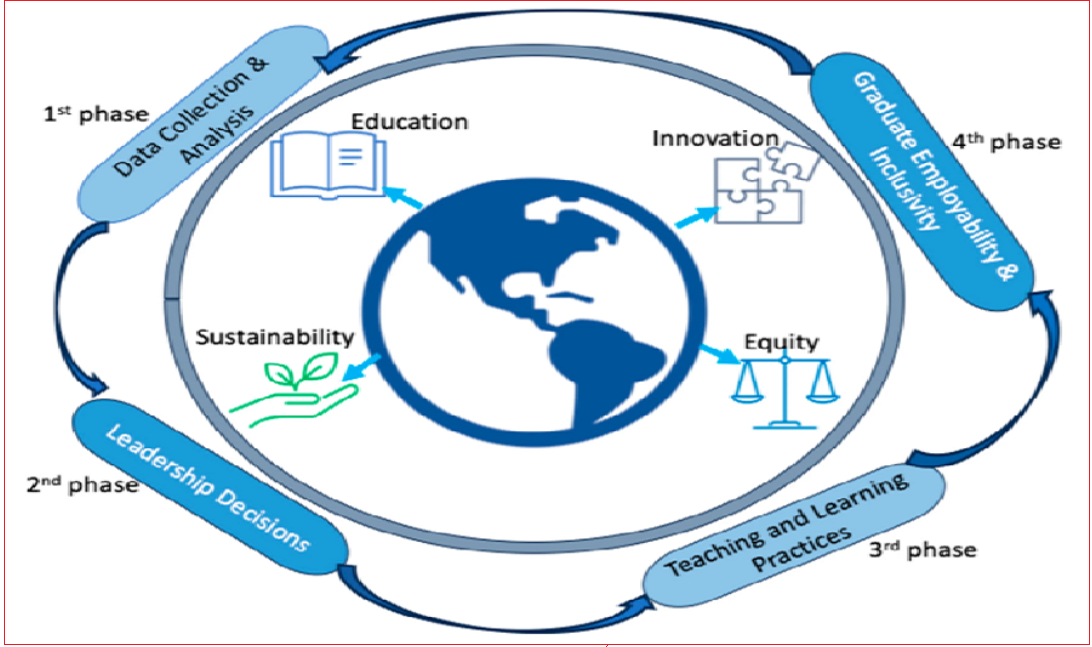
Source: mdpi.com
Doctoral-level research skills enable leaders to:
- Analyse institutional data for informed decision-making
- Design and evaluate academic programs
- Measure learning outcomes and faculty performance
- Support accreditation and quality assurance processes
By mastering qualitative and quantitative research methods, PhD graduates can lead with insight rather than intuition. They become adept at translating data into strategy—a critical skill in an era where accountability and outcomes matter more than ever.
Policy Literacy and Systems Thinking
Educational institutions operate within layered policy environments—local, national, and international. Academic leaders must understand how policy shapes funding, curriculum standards, assessment, inclusion, and institutional autonomy.
A PhD in Education typically includes deep engagement with:
- Education policy analysis
- Governance structures
- Comparative education systems
- Ethics and social justice in education
This exposure cultivates systems thinking: the ability to see how decisions in one area affect outcomes across the institution. Leaders trained at the doctoral level are better prepared to align institutional goals with regulatory frameworks while still advancing innovation and equity.
Developing a Strategic Leadership Mindset
Doctoral study is inherently strategic. From designing a research proposal to defending a dissertation, candidates learn to:
- Set long-term goals
- Anticipate challenges
- Manage complex projects
- Communicate ideas persuasively
These experiences directly translate into leadership competencies. Academic leaders with doctoral training are accustomed to working with ambiguity, managing intellectual risk, and sustaining focus over extended timelines—qualities essential for leading institutional change.
Moreover, doctoral programs encourage reflective practice. Leaders learn not only how to act, but how to evaluate their own assumptions, biases, and decision-making processes. This reflective capacity supports ethical and inclusive leadership.
Credibility and Authority in Academic Spaces
In academic environments, leadership credibility is closely tied to scholarly legitimacy. Faculty members, researchers, and external stakeholders often respond more positively to leaders who understand the academic enterprise from the inside.
Holding a PhD in Education:
- Signals a deep commitment to the field
- Establishes peer-level credibility with faculty
- Enhances authority in curriculum and research discussions
- Strengthens influence in academic governance
This credibility is particularly important in roles such as dean, academic director, or policy advisor, where leaders must balance managerial authority with academic respect.
Preparing for Faculty and Institutional Leadership Roles
Many academic leaders begin their careers as educators or researchers before transitioning into leadership. A doctoral degree provides a seamless bridge between these roles.
Graduates of PhD programs are well-positioned for:
- Faculty leadership positions (program heads, department chairs)
- Research leadership roles (centre directors, principal investigators)
- Senior administrative posts (deans, provosts, academic vice presidents)
Because doctoral training integrates teaching, research, and leadership, it prepares individuals to lead across all core academic functions—not just one domain.
Global Perspective and Cross-Cultural Competence
Education is increasingly global. Universities collaborate across borders, attract international students, and operate in multicultural contexts. Doctoral education often includes exposure to global education trends, comparative studies, and international research literature.
This global orientation helps leaders:
- Understand diverse learner needs
- Navigate cross-cultural academic environments
- Align institutions with international standards
- Build global partnerships and collaborations
For leaders aspiring to roles in international education, transnational universities, or global policy organisations, this perspective is invaluable.
Leading Change and Innovation in Education
Educational institutions are under constant pressure to adapt—whether through digital transformation, curriculum reform, or new models of learning delivery. Leading such change requires both vision and methodological rigour.
Doctoral graduates are trained change agents. They understand how to:
- Pilot innovations using research frameworks
- Evaluate impact systematically
- Scale successful initiatives responsibly
- Address resistance through evidence and dialogue
Rather than adopting trends uncritically, leaders with a doctoral background are equipped to innovate thoughtfully, ensuring that change enhances quality rather than undermines it.
Ethical Leadership and Social Responsibility
Educational leadership carries profound ethical responsibility. Decisions affect learners, educators, communities, and societies at large. Doctoral programs emphasise ethics, equity, and social justice as central themes.
Through sustained engagement with these issues, future leaders develop:
- Ethical decision-making frameworks
- Commitment to inclusive education
- Awareness of power, access, and representation
This ethical grounding is essential for leaders who seek not only institutional success but meaningful educational impact.
The Evolving Role of Flexible Doctoral Pathways
As professional demands grow, flexible doctoral pathways have expanded access to advanced study for working educators and administrators. The rise of the Online PhD in Education has made it possible for experienced professionals to pursue doctoral-level leadership preparation without stepping away from their careers.
When designed with academic rigour, such programs retain the core strengths of doctoral education—research depth, scholarly engagement, and leadership development—while offering the flexibility required in today’s professional landscape.
Bottom Line
Academic leadership in the 21st century demands more than operational efficiency. It requires intellectual authority, research literacy, ethical clarity, and the ability to lead institutions through complexity and change. A PhD in Education offers a comprehensive preparation for these responsibilities, shaping leaders who can think critically, act strategically, and lead with purpose.
For educators and professionals aspiring to influence education at institutional, national, or global levels, doctoral study is not merely an academic milestone—it is a leadership apprenticeship.